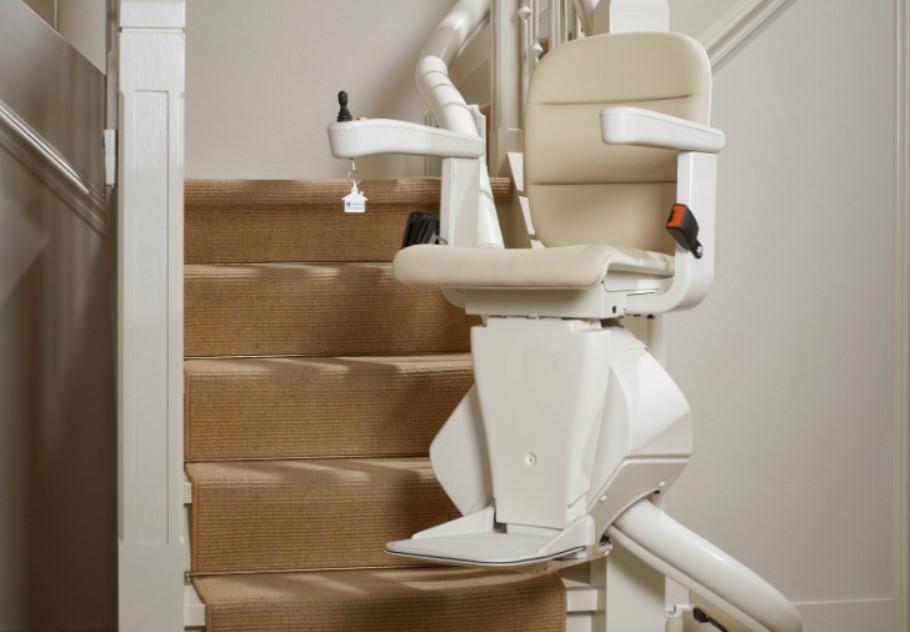
For many, climbing the stairs is essential, but it can also be painful or dangerous if mobility is limited. So, how do you know when to buy a stairlift? This guide explores who may benefit most from a stairlift, which types are available, and how a professional consultation can help you make an informed choice.
Signs you may benefit from a stairlift

Struggling with stairs is often the first indicator that a stairlift might be helpful. Below are common conditions and situations where someone may need a stairlift.
Reduced mobility due to ageing or health conditions
With age, it’s natural for movement to become more limited as strength, balance, and flexibility decrease. However, various health conditions can accelerate these changes. Conditions where someone may need a stairlift include arthritis, osteoporosis, and other joint-related issues, as these can make it painful or unsafe to climb the stairs.
Similarly, chronic conditions like respiratory issues, heart disease, or multiple sclerosis can reduce stamina, causing fatigue even after short trips up or down the stairs. A stairlift allows you to conserve your energy, alleviating strain on your joints and muscles and giving you the confidence to access all levels of your home safely.
Difficulty with balance and coordination
Certain medical conditions, including Parkinson’s disease, vestibular disorders, and even side effects from some medications, can lead to impaired balance and coordination. When these affect your ability to walk steadily, the risk of falls increases significantly.
Falls can be particularly hazardous on stairs, leading to injuries that may result in long-term immobility. If you experience frequent unsteadiness or dizziness while standing or walking, a stairlift can provide a much safer alternative, reducing the chances of accidents and enhancing your freedom of movement.
Chronic joint pain, muscle weakness, or reduced range of motion
Pain and stiffness in the knees, hips, and lower back are common issues that can limit your ability to climb stairs comfortably. Chronic conditions such as rheumatoid arthritis or osteoarthritis can make each step up or down the staircase feel like a struggle.
This difficulty can deter you from moving freely in your own home. Installing a stairlift reduces the physical strain of using stairs, helping you avoid aggravating existing conditions. Additionally, suppose you have undergone surgery, like a hip or knee replacement, or have suffered an injury. In that case, a stairlift can be an essential support for daily activities during recovery and beyond.
A desire to preserve independence and avoid moving
Many people strongly value the ability to stay in their homes, surrounded by familiar comforts and memories. However, when reduced mobility limits your ability to navigate stairs, it can feel like your home is suddenly less accessible. A stairlift provides a solution that helps you remain self-reliant, allowing you to access all areas of your home without assistance.
It can also reduce the need for family or professional caregivers, letting you maintain your routines and lifestyle without relying on others. If maintaining independence is a priority, a stairlift can be a valuable investment that enables you to continue living in the home you love.
Practical assessment: do you need a stairlift?
A practical way to assess whether you need a stairlift is by consulting a healthcare professional or conducting mobility tests. Occupational therapists can evaluate your home and provide guidance on mobility aids, such as stairlifts, and whether they suit your needs.
Mobility test: The Timed Up and Go test
If you’re unsure whether a stairlift could benefit you, a simple mobility assessment can help guide you. One well-regarded method is the Timed Up and Go (TUG) test, commonly used by healthcare professionals to assess a person’s ability to move around independently and safely.
How to perform the TUG test
- Sit in a sturdy chair with armrests and measure the time it takes to complete the following steps.
- Stand up from the chair.
- Walk three metres (around 10 feet) forward, turn around, and return to the chair.
- Sit back down.
Interpreting your results
- Under 10 seconds: This typically indicates normal mobility.
- 11-20 seconds: This range suggests some mild limitations in mobility, which may mean you’d benefit from mobility aids such as a stairlift.
- More than 20 seconds: If it takes more than 20 seconds to complete, this may indicate a higher risk of falls, and mobility aids could be especially beneficial.
In general, if the TUG test takes you more than 14 seconds to complete, research indicates a higher likelihood of falls and difficulty with balance. For many, installing a stairlift reduces the physical strain and offers a sense of security, helping to prevent falls on stairs and allowing safer movement throughout the home.
However, it’s important to remember that while the TUG test can provide a basic idea of your mobility, consulting with a healthcare provider or occupational therapist will offer a more thorough assessment. They can also advise on other mobility aids, home modifications, or exercises to improve balance and strength.
Choosing the right stairlift for your needs
Once you decide that a stairlift would enhance your quality of life, the next step is selecting the right type for your home and preferences. Here’s what to consider:
Types of stairlift
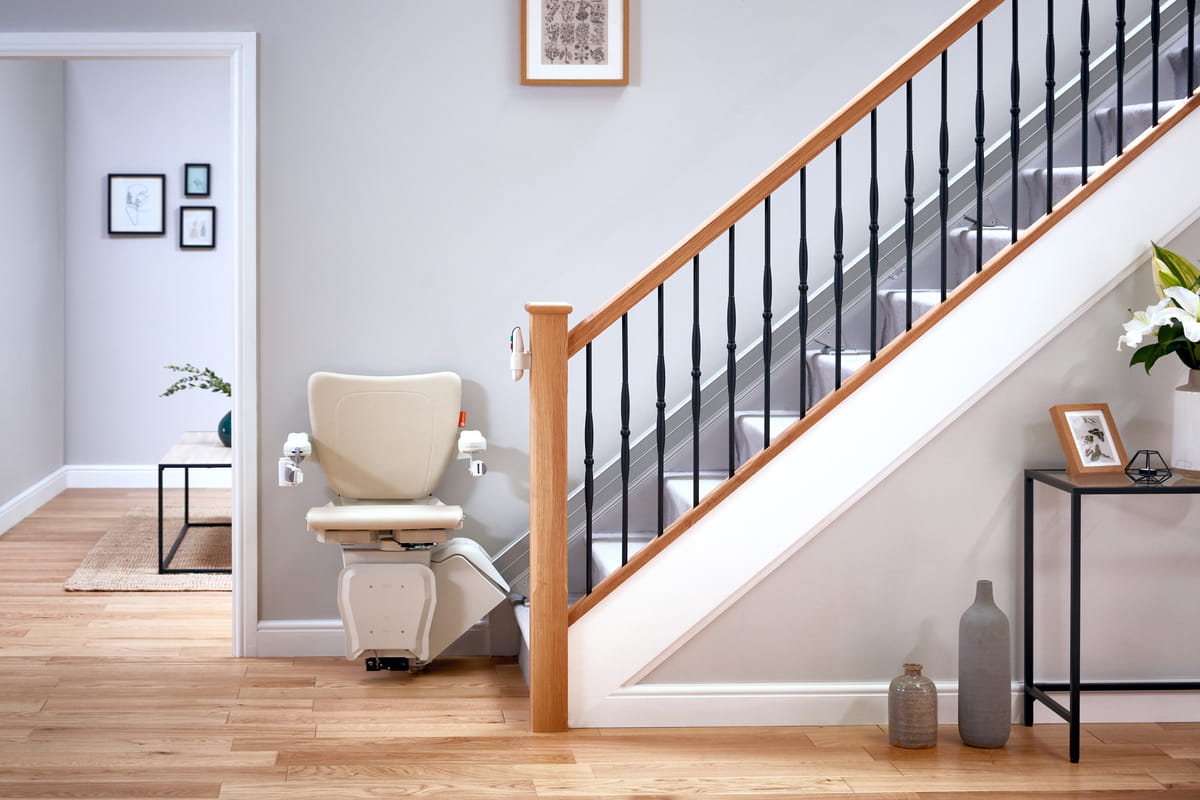
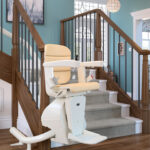
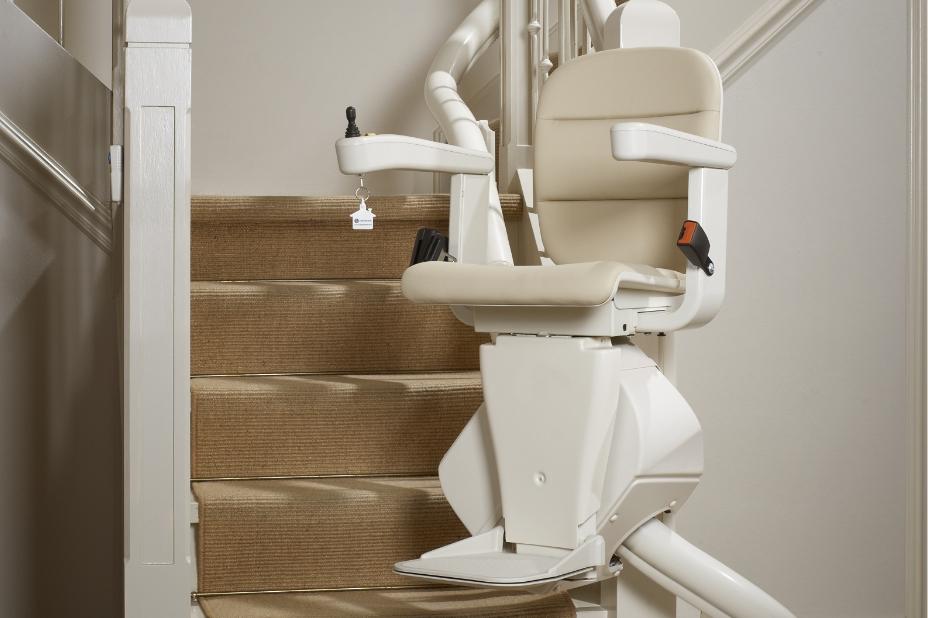
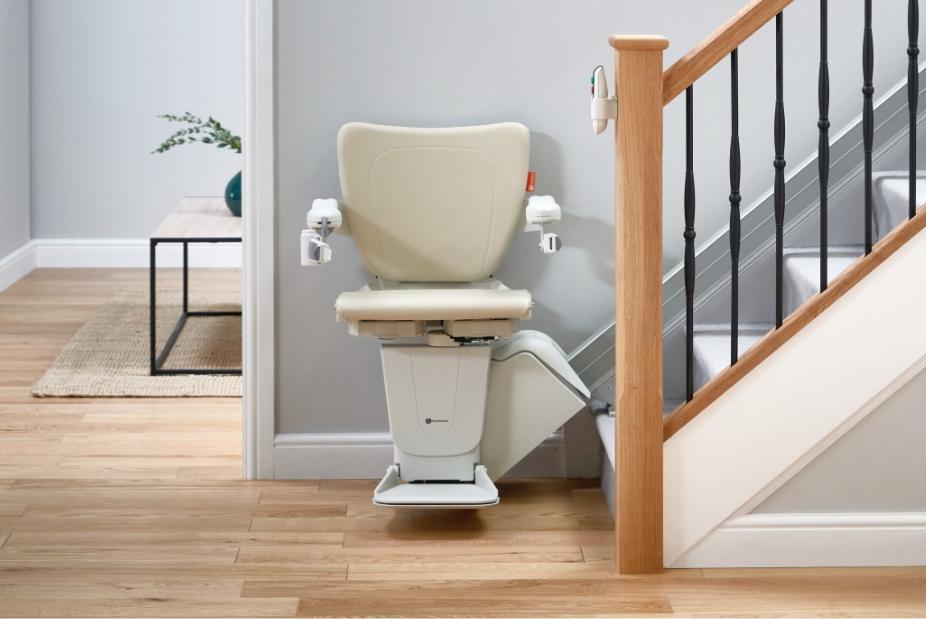
- Straight stairlifts: Ideal for homes with straight staircases, straight stairlift models are usually simpler to install and more affordable.
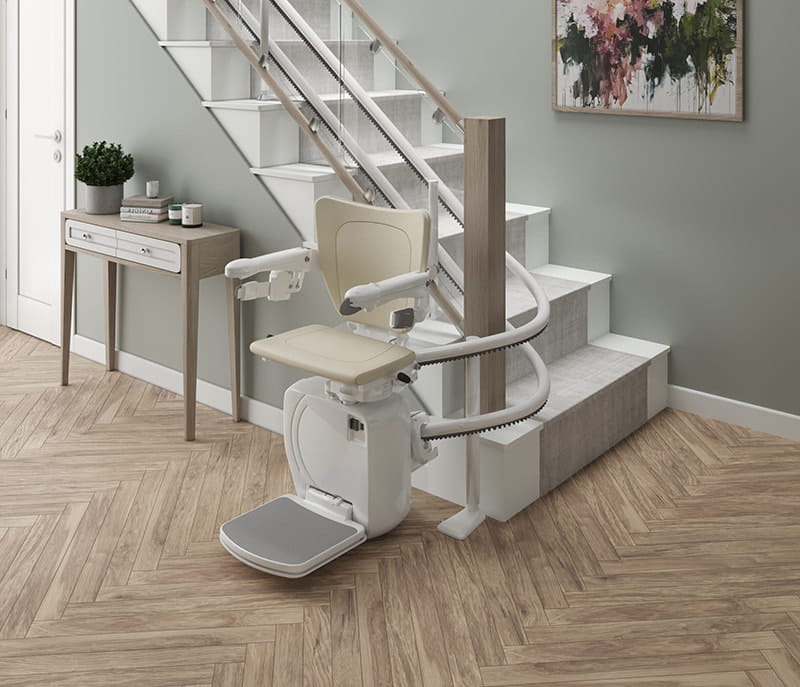
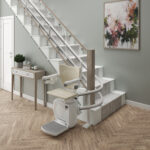
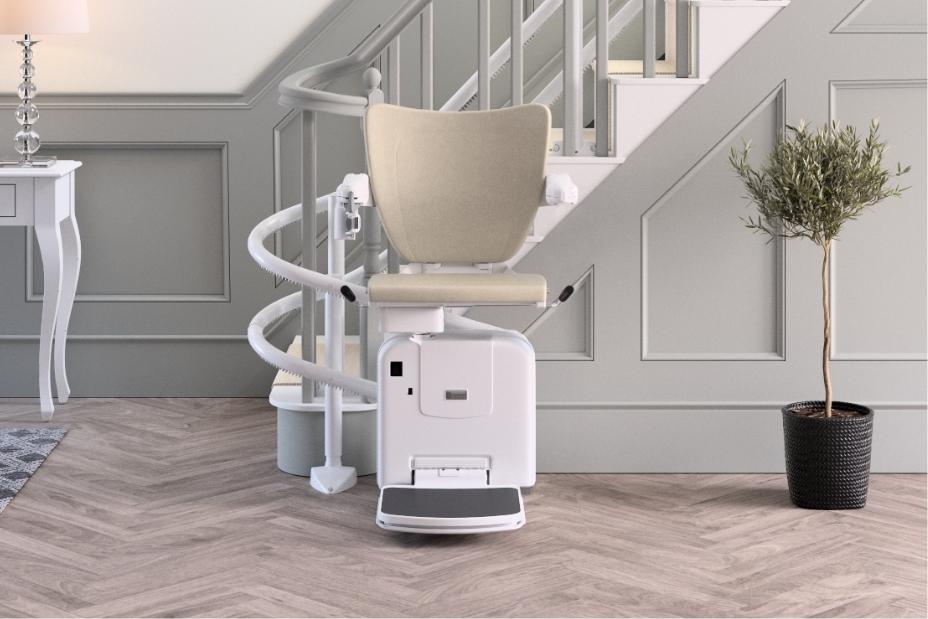
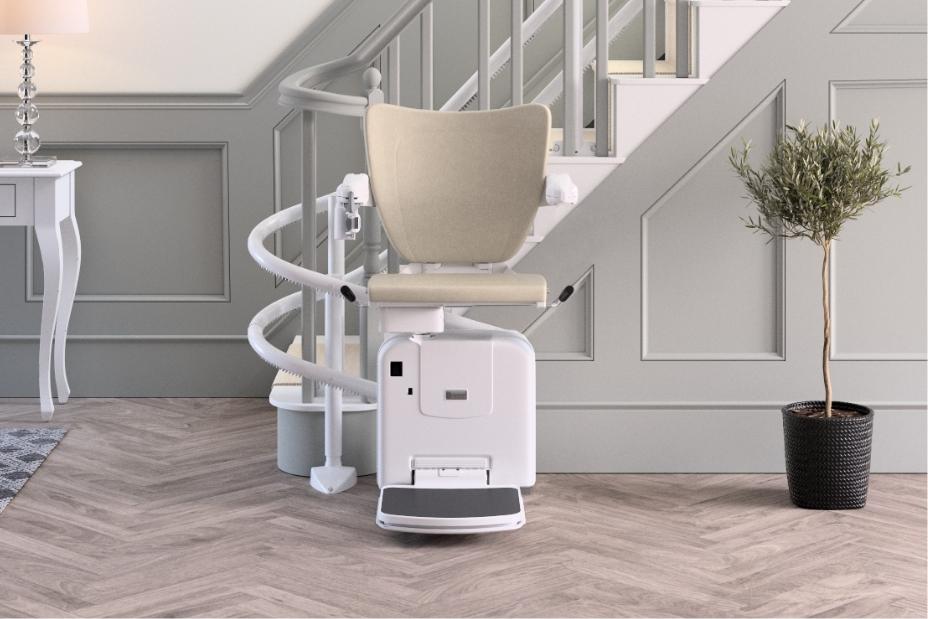
- Curved stairlifts: A custom-made curved stairlift may be required for optimal fit if your staircase has turns or landings.
- Narrow stairlift: For homes with limited staircase space, narrow stairlifts are available, offering a slimline solution.
READ ALSO: Why choose an Age UK Trading stairlift?
Seated vs. standing models
- Seated stairlifts: The most popular choice, suitable for those comfortable sitting while moving up and down the stairs.
- Perch or standing stairlifts: For people who have difficulty bending their knees, perch stairlifts allow users to travel in a semi-standing position.
Ease of use
- Remote control options: For people with arthritis or other conditions that limit hand movement, a stairlift with a joystick or toggle switch can offer an easier and more comfortable operation.
- Powered footrest: If it would be difficult to manually fold up a stairlift’s footrest when trying to save room, a stairlift with a powered footrest allows it to be folded automatically or via the seat with the touch of a button.
- Powered swivel seat: For those who would find it difficult to manually swivel their stairlift seat toward the landing for a safe exit, a powered swivel seat can automatically turn towards the landing once the top of the staircase has been reached.
Financial assistance and home assessments

Finances can often be a factor when considering a stairlift. Fortunately, there are options for support in the UK:
- Stairlift grants and financial assistance: Many local councils offer the Disabled Facilities Grant to help with the cost of mobility aids for those who qualify.
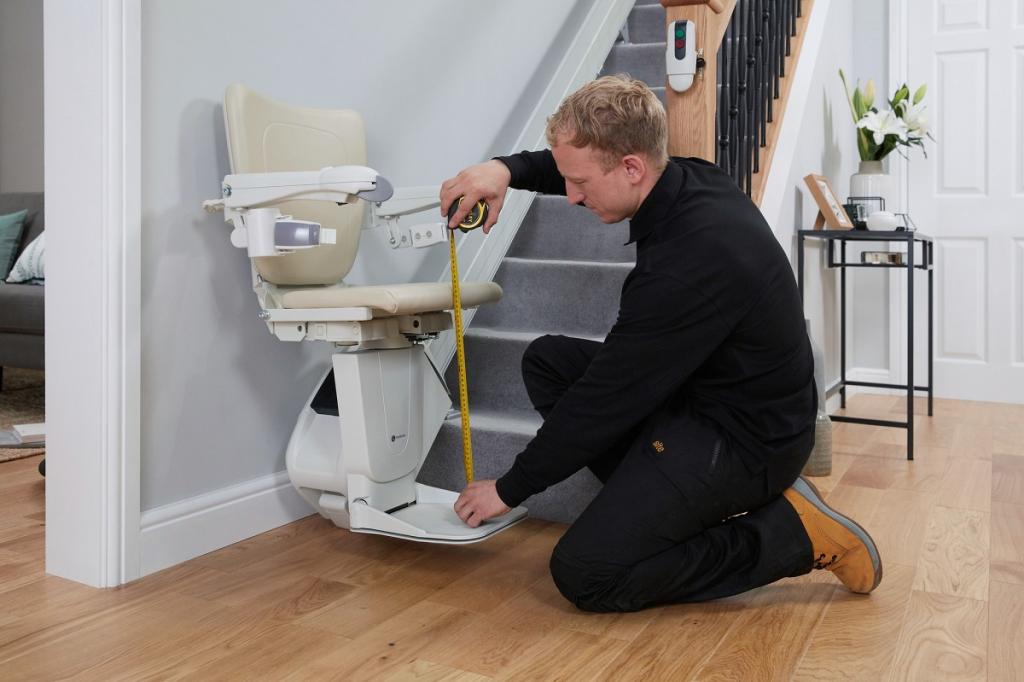
- Home assessments: A home assessment with a reputable stairlift company, like Handicare, working in partnership with Age UK Trading, can provide tailored advice on suitable models and help you determine the most cost-effective options.
The benefits of a stairlift on your quality of life
A stairlift enables ease of movement and significantly boosts your quality of life, allowing you to move between floors without stress or strain. For those with mobility issues, it can be a long-term solution that offers safety, independence, and peace of mind. With a stairlift, you can enjoy your home without the physical limitations of climbing stairs.
Key takeaways
- Reduced mobility, joint pain, and a desire for independence are good reasons to get a stairlift.
- Get a health assessment from a professional to see if a stairlift would benefit you.
- There is a type of stairlift for different homes and individuals.
- A free home visit from Handicare, working in partnership with Age UK Trading, can determine what type of stairlift you need.
- Financial assistance is available to those who need it.
Ready to learn more? Get a free consultation
If you’re ready to explore stairlift options and determine whether one is right for you, we are here to help.
Free home visits and assessments are available, helping you choose the right stairlift to enhance your comfort and independence. Contact us today to learn more and take the first step towards a safer and more accessible home.
This article is brought to you by Savaria Lifts (UK) Ltd (trading as Handicare), in partnership with Age UK Trading, offering a wide range of home mobility products, including stairlifts, homelifts, and bathing solutions. Articles that appear on this website are for information purposes only and are up to date as of the time of publishing.