Create a family tree
Most people will think the answer to the question, ‘how do I trace my family tree?’ will be to jump immediately online buts it’s not necessarily the case. The first step to trace a family tree is to start simple. You might want to dive into the juicy stuff right away and discover some exciting far distant relative from centuries ago but it’s easiest and more productive to start with yourself. Tracing your family tree takes time and patience.
Upon deciding to trace your genealogy, the first port of call should be creating a family tree. This simple diagram allows you to present the current information that you’re aware of, including names and birthdays, so is a fantastic place to start.
Karen from Family Tree Magazine shares: “It’s tempting to dive straight in and start researching members of your family on the large subscription genealogy sites. But this can go quickly awry, and you may find yourself tracing the wrong family! So, I would say start with yourself and work backwards before hitting the internet, with good old-fashioned paper and pencil.
“Begin sketching out a basic family tree, recording your own life events, such as birth and marriage, and those of your immediate family and any older relatives you remember, such as aunties, uncles and grandparents. You now have a framework with which to begin your journey into your family’s past.”
It’s always helpful to have something actually written down on paper or recorded digitally as you start the process, so once you have created an outline of a family tree, add details about yourself and your immediate family as this will get the ball rolling quickly.
How to draw a family tree
Most family trees follow a similar format in order to link important people together whilst clearly illustrating their relationship. Vertical lines can be used to demonstrate the link between parents and their children, whilst horizontal lines can be used to dictate siblings.
Beginning with your information at the bottom of the page, you should then work backwards, listing your parents, and grandparents’ names and dates of birth.
This will become a crucial document whilst tracing your family’s history, so it should be easy to understand. After jotting down the relationships between parents and siblings, as well as your grandparents, you can begin to add in marriages. These are usually portrayed with two horizontal lines joining the two names together, with dotted lines used for presumed relationships.
Talk to relatives
As you get older, it becomes increasingly difficult to find people to speak to about your ancestors. However, talking with relatives and allowing them to share their memoirs is one of the best ways to start tracing your family tree. Not only will they have more insight into those who came before you than paper records can provide, but you may discover that they have photographs and letters to share with you.
By speaking to existing relatives, you can start to fill in the gaps, learn a maiden name or two, find out a grandparent’s place of birth, or the date of a wedding. It’s details like these that will be helpful in helping you to trace your family tree.
Beginning to trace your family in this way is recommended as it allows you to then work further back in time. Having both the names and birthdays means that diving into parish records will be easier, meaning that a skeleton of your genealogy can be quickly developed. Asking family members at this time will make it easier to establish if you’re following the right leads and can also provide you with fantastic stories about some of the people you’re discovering.
Lisa, a genealogy expert and family history speaker from Genealogy Gems, has shared that talking to relatives as soon as possible is her no.1 tip: “My top piece of advice is to interview your living relatives right now. Don’t delay! Talk to any genealogist and their biggest regret is not having interviewed relatives when they had the chance. Genealogical records will be online and safely stored in archives for years to come, but your relatives won’t live forever. Each person in your family has memories and experiences like no one else, and all are pieces of the puzzle. Start with the oldest relatives and be sure to branch out to distant cousins too. Those cousins may have photos or letters sent by your direct ancestors.”
Judith, who shares her passion for family history on her blog Genealogy Jude, shares the following advice: “My top piece of advice for anyone who is starting to trace their family tree would be to speak to the older generations of their family. They will have memories and stories about their lives that are priceless and cannot be found anywhere else. Some of them will be funny, others sad, but they will all tell you something about their character.
“For example, what about the story about when they fell in the river and their mother thought they had drowned or the story of how they met their sweetheart? In addition, they may have information about their parents or grandparents that will assist you in building up the family tree. It will also make your research much more interesting and fun as you delve into the past. Your ancestors will become more than just names.
“If you are one of the older members of your family, make sure you share your memories and experiences to ensure they are passed down and not forgotten.”
Karen, from Family Tree Magazine, believes that talking to family members is crucial in your search: “The one piece of advice I’d offer to anyone thinking about tracing their tree is to talk to your relatives, especially older family members, if possible, but even siblings and cousins will have lots of untapped memories and family knowledge. They may reveal family stories you’ve never heard before and details of crucial dates such as birthdays.
“Perhaps they have a collection of birth, marriage and death certificates to share with you (ask to photograph or scan them so you have copies), which will save you buying them (and a small fortune). Ask around to see if anyone has any old family photographs or memorabilia too – they may just show you a wonderful old album of photos you never knew existed, a picture of a relative during the First World War, or a family bible with a handwritten list of your ancestors’ names and dates. Start talking about your family history with your family and you’ll be amazed at what you can find out.”
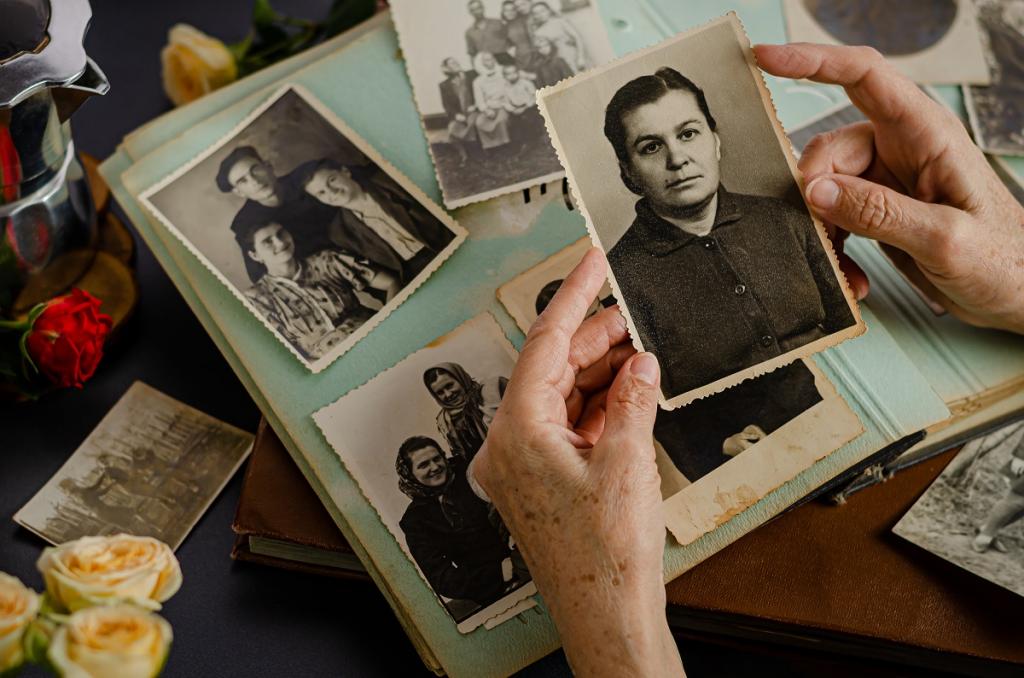
It may be possible that through life, your childhood memories have left you. However, during your early years, you may have met important figures in your past. Perhaps boxes of pictures have been passed down to you through the generations, collecting dust in your loft for you to sift through.
Don’t forget to do your own little treasure hunt at home. While also talking to family members, explore your own belongings and see what items you can find that might help you trace your family tree. From documents and photos to letters and heirlooms, there could be all sorts laying around the house that could provide valuable clues, dates, and insights into your ancestors – especially parents, grandparents, and great-grandparents.
Family Search, a useful tool for those who are looking to research their genealogy, offered this advice: “In tracing your family tree, start by identifying what you know. Look through the records, including photographs and artefacts, that you already have access to at home and other places. Gather all the information you have in one place. In addition to basic genealogical information, Family Search has places in the Family Tree to upload photos and add memories of your ancestors. There are also genealogy programs that you can download onto your computer to help you organize what you know. Don’t forget to check online to see what others have already found.”
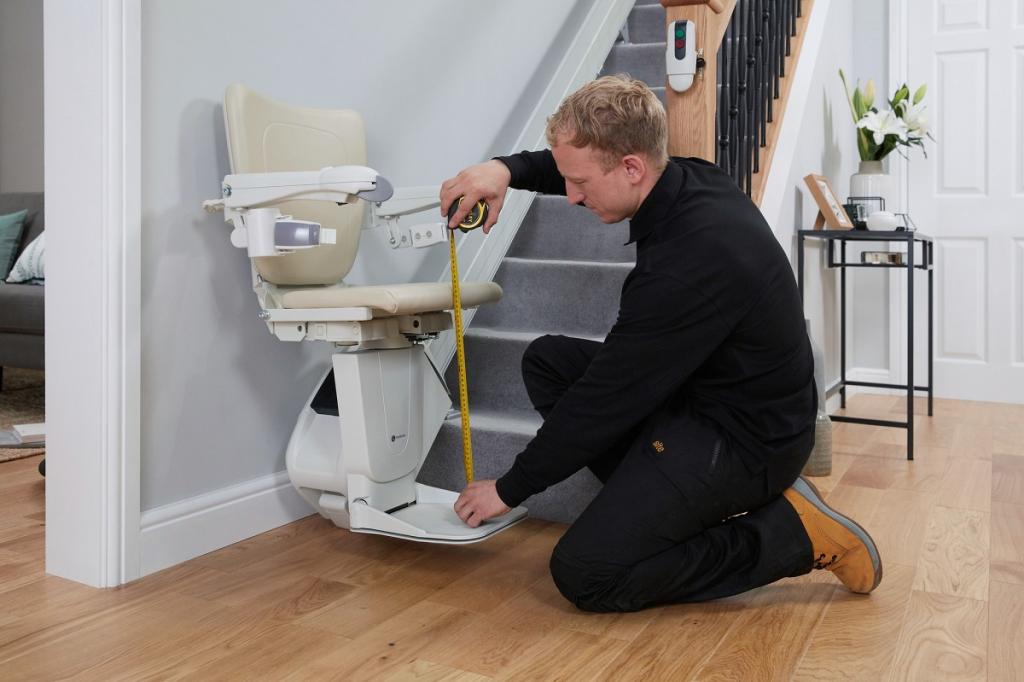
No matter how big or small the back catalogue of information you have, this can really help you get started in tracing your family tree or be a jumping-off point for a new area of inquiry. Finding old photos and documents can also be a great way of bonding with the younger generations of your family, making this an incredible experience for you both to share. Consider enlisting the help of other family members to find these items for you, especially if you use a stair lift in your home to help you remain mobile, as they could be kept in boxes that are tucked away in hard-to-reach locations.
Utilise online records and resources
The next step is to take your research online and use the plethora of records that are available. There are lots of websites out there that allow people to access things like census records, as well as records of birth, marriages, and deaths. This is the information that will help you separate fact from fiction and learn about ancestors you never knew existed or have only heard stories about.
These are some of the things that you should be looking for and ways to trace your family tree for free:
- Civil birth, marriage and death (BMD) records are the building blocks of every family tree and date back to 1837 in England and Wales (1855 in Scotland). Use FreeBMD to find the reference numbers and order the certificates from the General Register Office website or visit ScotlandsPeople for BMDs north of the border.
- Census records provide a snapshot of your family every 10 years, and you can use them to trace their lives and corroborate facts on the BMD certificates. You can search census records on the large subscription genealogy websites such as Ancestry, Find My Past and The Genealogist and on ScotlandsPeople for the Scottish census.
- Historical newspapers and trade directories are another gold mine for family historians. Search the British Newspaper Archive (also on Find My Past) or the free Welsh Newspapers Online.
- Find historical trade directories on the genealogy sites or for free at Special Collections or, for Scotland at Scottish Post Office Directories.
- Military records will enable you to trace your ancestors’ service in the First and Second World Wars. The Commonwealth War Graves Commission website is your first port of call to locate relatives who died – search the war dead and cemeteries database.
- Your military ancestor may have been awarded a medal. You may be lucky enough to have them handed down in the family but, if not, the go-to resource for WW1 research are the Medal Index Cards. Find these on the subscription genealogy sites or at The National Archives website where you will also find a wealth of free research guides.
- For Second World War relatives in the military, visit the Government site to apply for their service records.
- Family Tree magazine website is also packed with expert tips and free guides to tracing your family history.
Some of these records can be accessed in person but going online makes things easy. Family Search shares this advice: “It’s better to begin with more recent ancestors and work your way back in time. Determine what sources may give you that information. These sources may include civil registration, census, and church records. Many of these are searchable online by clicking on ‘Search’ from the Family Search home page. Search the records to gather the information you are seeking.
“Keep in mind that not all records are online. Some are held at record offices and other archives. If you are unable to travel to a records repository, use the Family Search Community to see if someone who has access to the required repository will look up a record for you.
“Evaluate the information you find. Keep in mind who provided the information for the record and how close to the event it was when the record was made. Then add it to your records. Share what you have found by adding it to your family tree. This research process then begins again with a new ancestor. Tracing your family tree is a rewarding activity and, with the technology available to us now, easier and more accessible than ever!”
Genealogy websites and apps
There are lots of family tree and genealogy websites and apps out there to help you with your research. Some of the best include:
Speak to the community
Another step that you should certainly take when looking for information is to speak to the local community. Does your family have long roots in your local area? It makes sense to see what information is available in your town or city. If you know where an ancestor lived their life or where they were married or born, you can investigate that location too. For example, why not speak to the local church about a grandparent’s wedding – they will keep records of marriages that could provide helpful information. Talking to town officials, and visiting public libraries and archives, can all uncover valuable details that can keep your search going.
Keep organised
As with most projects, staying organised is a key part of the process. There is no use collecting all this info if it becomes lost, jumbled, or inaccessible. Therefore, finding ways to stay on top of it all is necessary. Some of the paid family tree websites will help you with this but you will likely accumulate a lot of stuff at home so utilise folders and document your findings well. If you have created an actual family tree on some paper, make sure it is updated with names and dates. You could also have a folder (physical or digital) for specific family members, that way the documents and photocopies won’t all get mixed up. The last thing you want is to get frustrated because you can’t find something you already spent hours researching, so take the time to keep things neat and tidy.
Stay patient
When it comes to how to trace a family tree, learning to stay patient will be important. It can become quite a slog after some initial early success, especially when you go further back in time. Try to stay calm and don’t give up when you get to this point. It can be tempting to skip further back in time to start researching a different ancestor but instead try and focus on someone you already have information about and find out more details about them as this might lead to a new discovery and help you to make progress. Also, it’s important to remember why you are doing this. It’s likely because it’s a bit of fun so try not to get too worked up about it and lose the enjoyment that researching family history can bring.
Consider an ancestry DNA test
One of the latest trends in family ancestry is DNA tests. Many companies are offering a service where you take a DNA test to receive fascinating information not only about yourself but your ancestry. It can lead to breakthroughs you would never have managed yourself through following a simple paper trail. It’s not going to hold all the answers but it’s another tool at your disposal and well worth considering. One thing to bear in mind, however, is that these DNA tests uncover all sorts of sensitive information (such as paternity and maternity details) so don’t take the decision lightly.
The best ancestry DNA tests
What do I do with my research?
Okay, so you have done all your research and started tracing your family tree. Brilliant! But where do you go from here? The beautiful thing about tracing a family tree is that it can stop whenever you want it to. It can be a fun way to learn more about recent ancestors or a pathway to meeting unknown relatives. You could decide to keep on researching to discover more relatives and gain a broader knowledge of your family history. Or you could perhaps reach out to a newly discovered cousin and see if they are interested in getting to know your side of the family. Whatever you decide, hopefully, it’s been a fun and fascinating process.
How to trace your family tree in the UK
- Create a family tree
- Talk to relatives
- Treasure hunt at home
- Utilise online records and resources
- Speak to the community
- Keep organised
- Stay patient
- Consider an ancestry DNA test
Hopefully, this guide on how to trace your family tree has been helpful. By following the steps and advice above, you will be well on your way to discovering your family history and finding new ancestors. Genealogy is a fascinating subject so have fun and enjoy the process.
For more tips, guides, and advice, make sure to visit our news page.
This article is brought to you by Savaria Lifts (UK) Ltd (trading as Handicare), in partnership with Age UK Trading, offering a wide range of home mobility products, including stairlifts, homelifts, and bathing solutions. Articles that appear on this website are for information purposes only and are up to date as of the time of publishing.